Building Resilience During the Darker Months

As the clocks go back and daylight hours shrink, November brings a unique set of challenges for students. The darker mornings make it harder to get out of bed, shorter days can affect mood and energy levels and the approaching mock exam season adds academic pressure into the mix. But here’s the empowering truth: these seasonal challenges present a perfect opportunity to develop resilience skills that will serve students throughout their entire academic journey and beyond.
The seasonal shift impacts young people in several interconnected ways. Reduced exposure to natural light disrupts sleep patterns and affects the production of serotonin, our mood regulating hormone. Our biological clocks shift, making early mornings feel even harder. Add to this the academic pressures of mock exams, coursework deadlines and the general build up of autumn term stress and it’s clear why students might feel their resilience being tested.
For some students, these factors combine to create more significant challenges. Seasonal Affective Disorder (SAD) affects a meaningful proportion of young people, with research showing that 13-19% of students experience SAD or subsyndromal symptoms, particularly those in northern regions or who’ve moved from sunnier climates. The most difficult months tend to be January and February, making now the perfect time to build protective strategies.
But understanding these challenges isn’t about making excuse, it’s about recognising what’s happening so you can take purposeful action. The good news? Resilience isn’t something you either have or don’t have. It’s a skill that can be learned, practiced and strengthened, especially when times are tough.
One of the most powerful techniques we teach in our resilience workshops is challenging habitual thought patterns. When students tell themselves “I can’t do this,” they’re setting up a mental roadblock. But a simple shift to “I can’t do this yet” opens up possibilities for growth.
This isn’t just positive thinking—it’s about developing a growth mindset that transforms how we approach challenges. In our workshops, 82% of students report learning how to change their habitual thought patterns and the impact can be transformative.
Try this: When you catch yourself thinking negatively, pause and reframe it. Instead of “I’m terrible at maths,” try “Maths is challenging for me right now but I’m working on it.” The difference might seem small but over time, this resilient language builds genuine confidence.
Beyond reframing thoughts, there are concrete actions that make a real difference to mental health and academic performance during the darker months:
Maximise Daylight Exposure
Get outside during break times or lunch, even if it’s cold. Natural light exposure helps regulate your body clock and mood. Even when the sky is grey, outdoor light is still much brighter than indoor lighting and helps maintain energy levels and motivation.
Stay Active
Movement is brilliant for mental health. Exercise releases endorphins and positively affects dopamine and serotonin levels. Whether it’s PE, a walk home from school, a winter sport or even just dancing in your room, 20 minutes of movement can make a real difference. Research shows that combining aerobic and resistance exercise has particularly strong effects on mood and wellbeing.
Maintain Routine
Keep regular sleep and wake times, even on weekends. Teenagers need 8 to 10 hours of sleep, though most get only 7.5 hours or less. Consistency helps your body cope with seasonal changes and protects your ability to focus and retain information.
Limit Screens Before Bed
Light from electronic devices at night disrupts melatonin production, making it harder to fall asleep. Protecting your sleep is crucial for both mood and academic performance during winter months.
Stay Connected
It’s easy to withdraw when you’re feeling under pressure but social connection is crucial for wellbeing. Make time for friends, whether that’s meeting up, gaming online or just chatting. If you’re struggling, talk to someone, you might be surprised how many others are feeling the same way.
Create Light in Your Space
Position your desk near a window if possible. Bright daylight bulbs can also help create a more energising study environment during winter months.
We often talk about students carrying an “emotional backpack” filled with worries about exams, friendship issues, family concerns and future plans. As the term progresses and pressure builds, this backpack gets heavier but the solution isn’t to ignore what’s inside.
The key is to regularly unpack and deal with items one by one. Students who learn this technique report feeling more in control and less overwhelmed. In fact, 91% of students who attend our resilience workshops feel they’ll be able to cope better in stressful situations.
Practical steps:

Resilience isn’t about working harder or pushing through exhaustion. It’s about finding that crucial balance between work, fun and relaxation—what we call holistic wellbeing.
Work: Be strategic about study time. Try to tackle challenging work during daylight hours when your energy is naturally higher. Our free revision guide (available on our website) has practical techniques for making study sessions more effective.
Fun: Don’t sacrifice the activities that energise you. Hobbies, gaming, sport, music, time with friends—these aren’t distractions from academic success, they’re essential fuel for it.
Relaxation: Build in genuine downtime. Your brain needs rest to consolidate learning and maintain motivation. This might mean putting your phone away for an hour, going for a walk, having a hot chocolate or simply sitting and doing absolutely nothing productive.
In our work with thousands of students across the UK, we’ve seen that resilience isn’t built through dramatic transformations. It’s built through small, consistent changes that compound over time.
From our wellbeing workshops, 86% of students report improved awareness of mental health, while 89% of students who attend our resilience workshops learn techniques that help them manage their emotions effectively. Skills that are particularly valuable during challenging winter months.
The student feedback speaks volumes:
“It was great for understanding mental health and how I can apply that understanding in certain situations.”
“It was very insightful about how to handle stress and manage my emotions.”
“Good workshop that helps you understand how your brain deals with stress and negative thoughts.”
The darker months will pass but the resilience skills you build now will last far beyond winter. Whether you’re preparing for mocks, managing coursework deadlines or simply maintaining your wellbeing, remember: setbacks and difficult days are part of everyone’s journey. What matters is how you respond to them—and you have more power over that response than you might think.
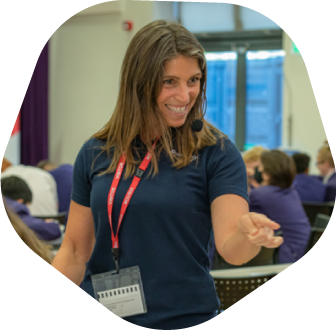
At Positively You, we’ve spent over 20 years helping students develop the tools they need to thrive, not just survive. Our resilience and wellbeing workshops focus on providing practical toolkits that students can use as preventative measures to protect their mental health and as resources to call on in times of need.
The winter months aren’t just a challenge to endure, they’re an opportunity to develop resilience that will serve you throughout your academic career and life beyond. You’re more resilient than you think. You just need the right tools to prove it to yourself.
If you’re interested in equipping your students with practical resilience and wellbeing strategies during these challenging months, explore our full range of Personal Development workshops. From resilience and wellbeing to motivation and goal setting, our programmes give young people the tools to navigate pressure and uncertainty with confidence.
Visit our Personal Development page to discover how we can support your students or get in touch with our team to discuss your school’s specific needs.
 Back To News




A fantastic way for students to consolidate the ideas and techniques they were introduced to during a live workshop.
Learn more